Direct answer
Wildlife to expect in the East Kimberley: freshwater crocodiles around Lake Argyle and the Ord, waterbirds on irrigation country, raptors on thermals, macropods at the edges of day, and more insects than any brochure. Estuarine crocodiles use some tidal systems toward the gulf — obey signs. You may see a lot. You may see heat haze and a single kite. Wild animals are not a timetable. Never feed them.
Crocodiles without folklore
Freshwater crocodiles (Crocodylus johnstoni) are at home on the lake and river. They are generally less dangerous to humans than estuarine crocodiles, which is not the same as safe to crowd, prod, or swim toward. Estuarine crocodiles (Crocodylus porosus) use coastal and some tidal waters. Signs and local advice beat a pub story. Stay back from banks at dusk. Keep children in a boring radius.
A lake cruise is the structured way to look. A hero swim is not.
Birds
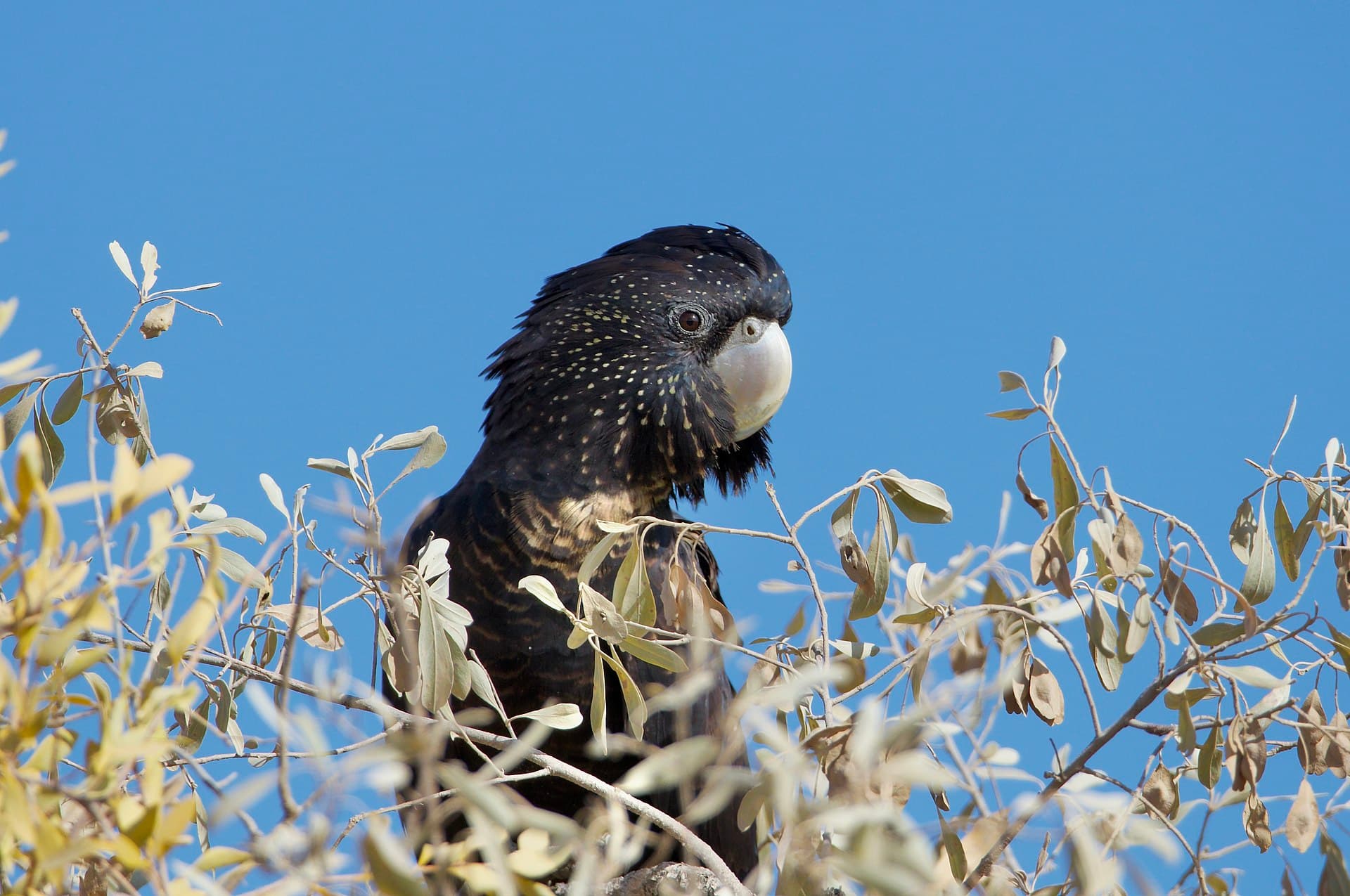
Brolgas on irrigation flats. Magpie geese in season. Whistling kites doing the easy work of thermals. Red-tailed black cockatoos in woodland. Finches if you are quiet and lucky. The dam and channels created habitat that is also a scheme. Bring binoculars if that is your joy; bring patience either way.
Mammals and the dusk edge
Wallaroos and other macropods appear when the bitumen cools. Dingoes exist and are not dogs you call. Bats work the night insects. You are unlikely to “do the wildlife” as a checklist. You are likely to hit something if you drive at dusk like a city person. Slow down.
Boabs as habitat, not only as icons
Adansonia gregorii holds hollows, shade, and stories. It is not a climbing frame. It is not a carving post. Photograph it if you must; do not damage it for a better angle.
Insects, heat, and the animal that always turns up
March flies, mosquitoes near water, the dry-season fly that has never read a review. Long sleeves can be cooler than heroic skin. Heatstroke is the wildlife encounter we can predict. The FAQ packing answer and when to go are the human-biology pages.
Where to look without turning it into harassment
Lake edges from a boat. Irrigation country at a distance. Mirima at first light. A gorge only as a place you already came to walk. Do not playback bird calls into a quiet site. Do not drone a nest. Do not surround a crocodile because the algorithm likes teeth.
Official caution
Park notes on DBCA pages include wildlife cautions that change. Parks Australia has crocodile guidance that is nationally minded — still read the local sign in front of you. Tourism WA will show you a brolga in gold light. Your morning may show you a cow and a kite. That is still the East Kimberley.
A sighting honesty table
| Species / group | Likely context | Visitor duty |
|---|---|---|
| Freshwater crocodile | Lake / Ord | Distance, no swim heroics |
| Waterbirds | Irrigation / lake | Don’t chase |
| Macropods | Dusk roads | Slow the car |
| Cockatoos | Woodland | Don’t feed |
| Estuarine crocodile | Tidal / signed water | Believe the sign |
This heritage /about-the-region/wildlife/ path is a field note, not a safari booking. Pair it with Lake Argyle if water is your hide, and with hiking if you will share a gorge with whatever else wanted the shade.
Driving as the main wildlife risk you control
Dusk macropods, cattle, road trains, fatigue: the sealed highway is a wildlife interaction. Slow down. A dead wallaroo on the Victoria Highway is not a story you want. The gorge can wait for morning.
Feeding is a closed idea
Do not feed cockatoos, dingoes, or the crocodile you decided was small. Feeding is how animals become problems and how people get bitten. A photograph at a distance is the whole product.
When you see nothing
You still saw habitat. Irrigation flats at noon can look empty and still be working country. That is allowed. The wildlife page refuses to guarantee a sighting so you stop treating the region as a failed zoo.
Insects as the wildlife you will actually meet
March flies, mosquitoes near water, the dry-season fly that has never read a review. Long sleeves can be cooler than heroic skin. This is not glamorous and it is the honest field note. Pack for the small animals. The large ones will decide for themselves.
Dawn and dusk as the only honest clock
Noon on irrigation flats is a kite and a heat shimmer. Dawn is when brolgas and macropods vote. Dusk is when the bitumen becomes a wildlife interaction you control with the accelerator. Plan the clock, not the species list. If you see a freshwater crocodile from a boat, that is a gift, not a refund condition. If you see nothing but insects, you still met the East Kimberley.
The animals that change behaviour
Freshwater crocodiles on the lake change how you stand on a bank. Road trains change how you use a highway. Cattle after dark change whether you drive. Birds on irrigation country change a dawn, not a refund. Pack for insects. The large animals will decide for themselves. This is not a scheduled safari and it is not a petting zoo.